← All editions
August 31, 2026
Daily AI News
10 stories
Open Source·Michal Sutter
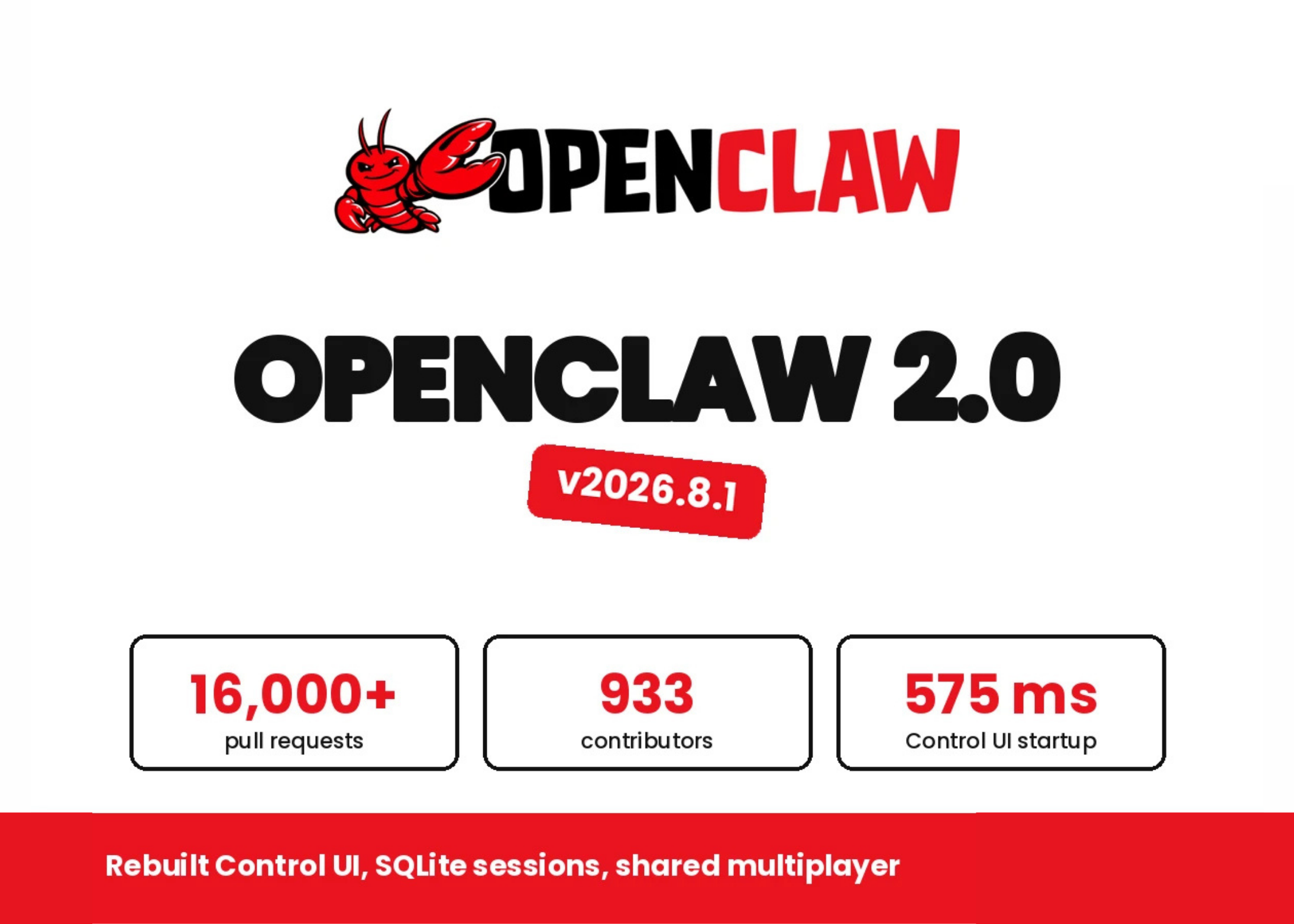
OpenClaw Releases OpenClaw 2.0: Guided Model Setup, 575 ms Control UI Startup, and One Trust Boundary Per Gateway
The OpenClaw Foundation announced version 2026.8.1, branded OpenClaw 2.0, adding a guided model‑setup wizard, a UI startup time of 575 ms, and a single trust boundary per gateway. The release pulls in 933 contributors, 569 first‑time contributors, and more than 16 000 pull requests, dramatically improving the ecosystem for managing LLM deployments.
Read source →
Tools·Asif Razzaq
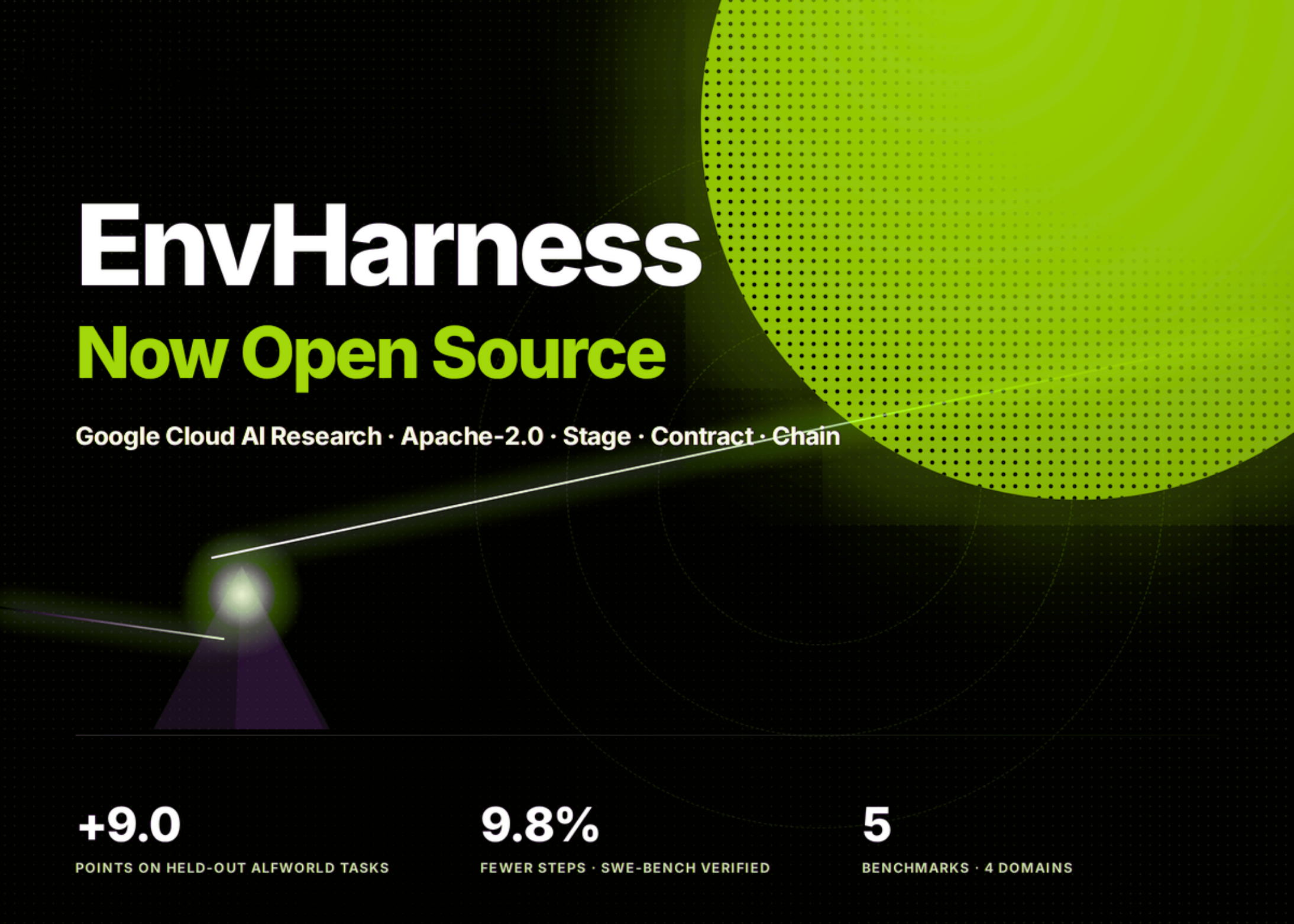
Google AI Introduces EnvHarness: A Programmable Layer That Turns Static Agent Environments Into Adaptive Training Worlds
Google Cloud AI Research, together with Washington University and UNC‑Chapel Hill, released EnvHarness under an Apache‑2.0 license. The layer wraps frozen reinforcement‑learning environments with a reset()/step() API, making them adapt dynamically to policy updates during training.
Read source →
Research·Asif Razzaq
Anthropic Opens a Research Preview of the Model Hardware Standard (MHS): A Shared Specification for AI Agents to Safely Operate Physical Devices
Anthropic released a research preview of the Model Hardware Standard, a driver‑level specification that lets AI agents discover and safely control physical devices. Early collaborations, such as with Carnegie Mellon, cut integration time from weeks to hours.
Read source →

Research·Asif Razzaq
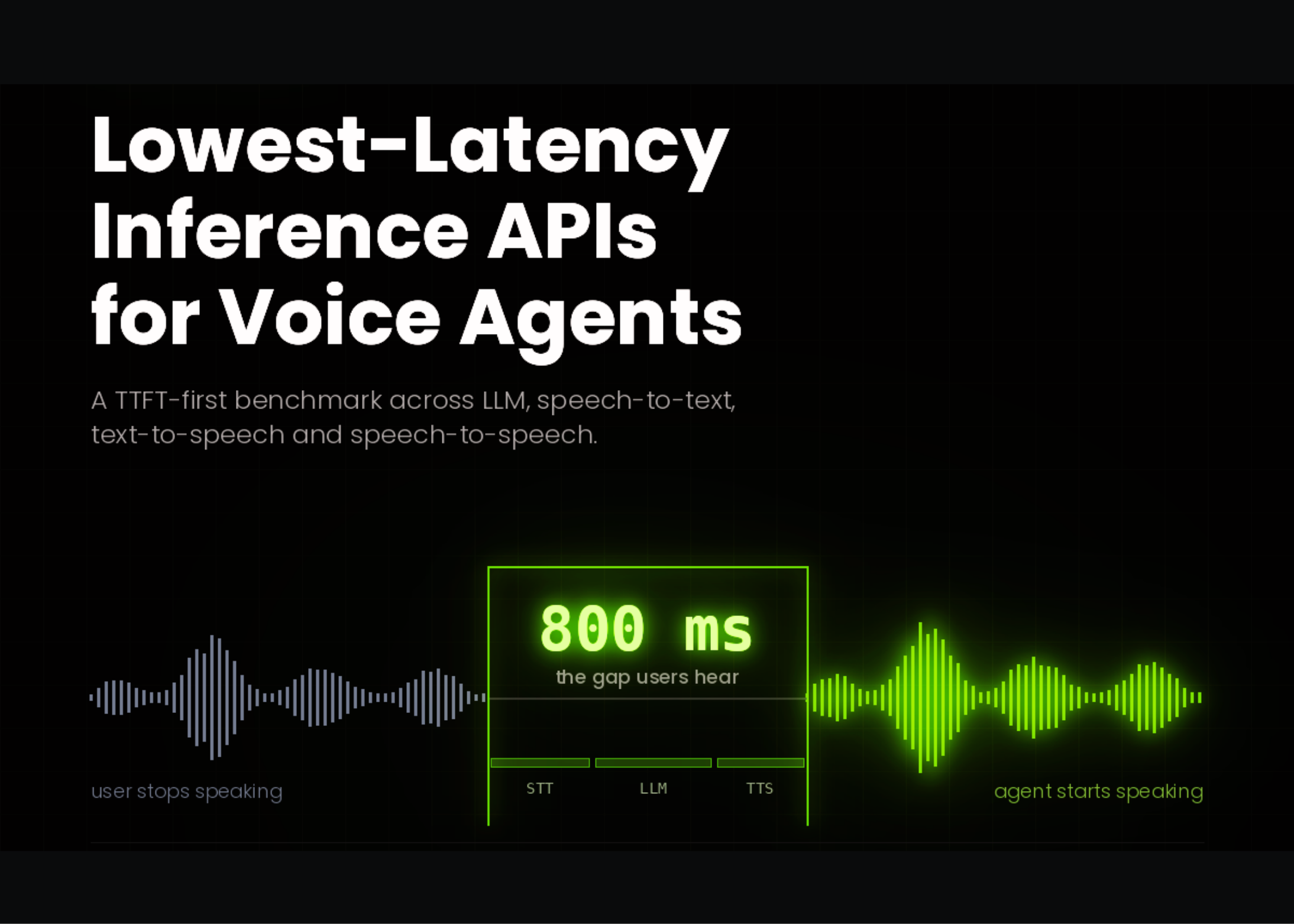
Lowest‑Latency Inference APIs for Voice and Realtime Agents: A Time‑to‑First‑Token (TTFT) Benchmark
The benchmark measures TTFT across the full voice‑agent stack – LLM, speech‑to‑text, and text‑to‑speech – exposing where latency spikes for real‑time applications. Results highlight that inference latency often dwarfs model quality in user‑facing agents.
Read source →
Research·Maximilian Schreiner
AI Agents Have No Sense of Time and Are Not Aware of It
A new study shows coding assistants such as Claude Code and OpenAI Codex systematically overestimate how long tasks will take, with Codex off by up to ten‑fold and rating its own performance about 20 percentage points too high. The findings raise concerns about autonomous AI workflows.
Read source →

Industry·Kate Park
Caterpillar Is Bringing to AI Deployment What It Learned From Automating Mining
Caterpillar leverages decades of experience running autonomous haul trucks and drills in remote mines to shape its AI‑deployment playbook, emphasizing safety‑first design, rugged edge‑computing, and remote monitoring for industrial AI workloads.
Read source →

Policy·Denis Campbell
Doctors’ AI Scribes Get Names of Drugs and Diagnoses Wrong, NHS Watchdog Warns
Healthwatch England discovered that AI transcription tools used in NHS consultations frequently misname medications and medical conditions, with patients spotting errors that clinicians missed. The watchdog has issued a formal warning to providers.
Read source →

Policy·Simon Goodley
Advanced AI Threatens Global Financial Stability, Says Bank of England Boss
Bank of England Governor Andrew Bailey sent a two‑page letter to G20 members warning that frontier AI systems could trigger systemic financial shocks and cross‑jurisdictional cyber‑disruption, urging coordinated regulatory action.
Read source →

Policy·Unknown
Texas Governor Abbott Blocks Funding for More Flock Cameras
Governor Greg Abbott suspended state spending on Flock’s AI surveillance cameras after a Texas Tribune investigation revealed $30 million in expenditures and mounting public backlash over privacy concerns.
Read source →

Policy·Kate Park
The U.S. Is Building Barriers Around Drones and Robots, but China Has Scale to Get Around Them
The United States is tightening export controls and procurement restrictions on foreign‑made drones and robotic systems citing security risks, while China’s massive manufacturing base may circumvent those barriers, reshaping the global AI‑hardware supply chain.
Read source →
